For a franchise that’s dominated pop culture for nearly 50 years, Star Wars has an almost comical shortage of major acting nominations. At the Oscars, the record is still basically “one and done”: Alec Guinness remains the only actor ever nominated for an Academy Award for a Star Wars performance (Best Supporting Actor for Star Wars / A New Hope at the 50th Oscars).
That gap isn’t because the movies lacked awards attention. Across the live-action films, Star Wars has piled up 37 Oscar nominations and seven competitive wins, overwhelmingly in craft categories like sound, visual effects, and score—areas where the Academy has long been comfortable rewarding big-scale filmmaking without having to “validate” the genre as serious acting material. In other words, Star Wars has been celebrated as a technical landmark far more than as a showcase for performance.
A big part of the problem is old-school awards bias: sci-fi and fantasy still get treated as “craft-forward” by default, even when the acting is doing heavy emotional lifting. That’s not a conspiracy—it’s just how many voters behave when they’re drowning in screeners and making quick judgments about what “feels” like awards acting versus what feels like entertainment. Entertainment Weekly made the point bluntly in 2025 while looking at the Emmy landscape around Andor: even with critical praise, the acting recognition tends to stay out of reach because “genre” carries baggage.
TV should have been Star Wars’ escape hatch, and it’s helped… but only a little. The Disney+ era finally gave Star Wars shows that could compete in “prestige TV” conversations, yet the acting nominations have stayed scarce and skewed toward guest appearances. The Television Academy’s own records show how narrow that recognition has been: Giancarlo Esposito got nominated for The Mandalorian (Guest Actor in 2020 and Supporting Actor in 2021), Timothy Olyphant earned a Guest Actor nod in 2021, and Forest Whitaker landed a Guest Actor nomination for Andor in 2025. Even when Star Wars breaks through, it’s often via an “easy entry point” for voters: a well-known actor in a contained guest/support role.
That pattern isn’t accidental. Acting categories are where awards competition is most brutal, and campaigns matter. Studios spend real money and time shaping narratives—screenings, Q&As, “for your consideration” pushes—so voters remember a performance long enough to rank it. Star Wars campaigns often lean on what’s safest to sell: production value, world-building, visual craft. That’s logical marketing for the brand, but it also reinforces the idea that the “achievement” is the machine, not the actor.
Star Wars also has a built-in perception problem: it’s an institution, it’s family-facing, it’s merch-driven, and it’s owned by Disney. None of that makes it low quality, but it does shape subconscious voter math. A lot of voters still associate “acting awards” with a certain flavor of seriousness—human-scale drama, contemporary realism, intimate character study. Star Wars can do that (and Andor is the proof most critics point to), but the brand identity fights it. EW’s 2025 analysis argues that even when the material earns prestige-status reviews, the franchise origins and “popcorn” label keep it from being fully embraced in acting races.
Then there’s the on-screen reality of how Star Wars performances are presented. Some of the franchise’s most iconic roles are performed under layers of mediation: helmets, masks, prosthetics, heavy VFX environments, even voiceover and motion-capture work. Awards bodies do sometimes honor those (voiceover categories exist, and genre actors do win Emmys), but it’s harder for casual voters to emotionally “clock” a performance when the face isn’t doing the traditional work in close-up—or when the acting is split across physical performance, voice, and post-production shaping. Even when the work is excellent, it’s easier for voters to remember a raw, face-forward monologue from a grounded drama than a controlled performance filtered through a sci-fi pipeline.
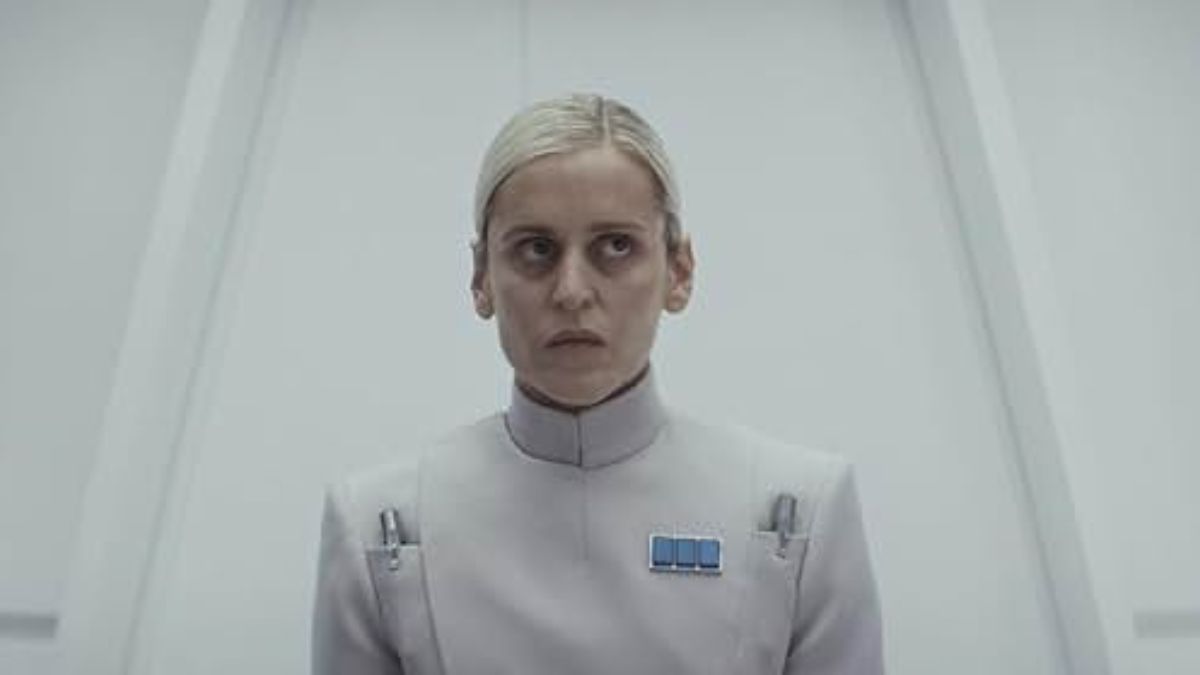
The Andor situation is the clearest modern case study. The show pulled in major nominations in 2025 (and lots of craft recognition), but the acting haul in the top categories boiled down to Whitaker’s guest-actor nod, while core cast performances still didn’t make the cut. That’s the Star Wars story in miniature: respected, nominated, even loved—yet acting recognition remains the last locked door.
So will this ever change? Yes, but not by hoping voters “finally get it.” The way Star Wars wins acting nominations is the way it’s done it so far: make a season (or film) that becomes unavoidable beyond fandom, attach undeniable prestige momentum, and package the campaign around the performances—relentlessly. The franchise has the talent. What it hasn’t consistently had is the awards-world positioning that turns “great acting in a genre show” into “must-nominate acting, period.”