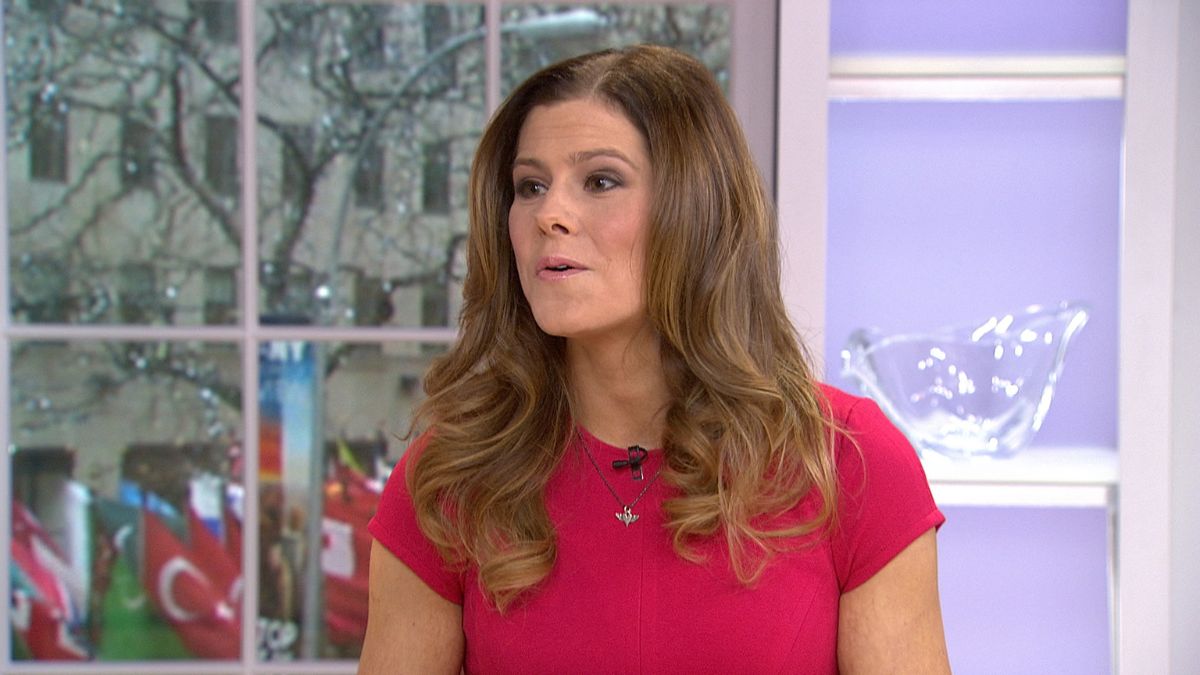
Rachel Frederickson became one of the most talked-about contestants in The Biggest Loser history because of how dramatically her body changed on the show and the intense reaction that followed. Her journey highlighted not just one woman’s transformation, but the broader controversy around extreme weight-loss TV. Years after her win, new attention has resurfaced thanks to a Netflix documentary examining the show’s legacy and its impact on participants.
Who Is Rachel Frederickson?
Rachel Frederickson competed on Season 15 of The Biggest Loser, which aired from late 2013 into early 2014. A native of Minnesota and a former competitive swimmer, she joined the show weighing about 260 pounds and hoping to turn her life around. Before the show, she worked as a voice-over actress and later wrote about her personal struggles with self-esteem and weight gain, including how moving abroad had influenced her lifestyle.
Just How Much Weight Did She Lose on the Show?
Over the roughly 30-week competition on The Biggest Loser, Frederickson lost a staggering 155 pounds, going from roughly 260 pounds at the start to about 105 pounds by the finale, nearly 60% of her body weight. That figure made her one of the most dramatic transformations in the series’ history, but also sparked immediate concern about how rapidly and extremely that loss happened.
What Trainers and Experts Said About Her Transformation
The reaction from Biggest Loser trainers was mixed and, in some cases, sharply critical. Trainer Dolvett Quince encouraged nuance, urging people not to judge the full arc based on a snapshot at the finale and emphasizing that contestants’ health was supposed to be the priority. But longtime trainer Jillian Michaels took a much stronger stance: in a 2024 podcast she described Frederickson’s final weight as “unhealthily thin” and said seeing her result was a factor in her decision to leave the franchise permanently. Biggest Loser alum and trainer Bob Harper also said he was “horrified” when he saw her weigh-in at the finale in retrospect.
The broader pushback wasn’t limited to trainers: some health professionals cited Frederickson’s BMI of around 17.5 (well below standard “healthy” ranges) as evidence the show’s formula pushed for unsustainable weight loss.
Where Is Rachel Frederickson Today?
Frederickson stepped back from the public eye after her win but has quietly built a life outside reality TV. Shortly after the show, she gained back about 20 pounds and described her new weight as closer to her “perfect weight.”
Over the years, she pursued varied interests — she worked in voice acting, started a T-shirt business, took college classes, volunteered, and trained for a marathon.
In more recent years, she completed a bachelor’s degree in logistics, materials, and supply chain management at the University of Minnesota (class of 2020) and shifted into a corporate career. As of 2025, she works as a Customer Insights and Analytics Manager for Land O’Lakes and lives in Minnesota, largely out of the spotlight and maintaining a low public profile.
Where Can I Watch The Biggest Loser Documentary?
If you want the current documentary that’s reignited interest in Rachel’s story and the larger saga of the show, Netflix released a docuseries called Fit for TV: The Reality of The Biggest Loser in August 2025. It’s a three-episode documentary that explores the show’s rise, its cultural impact, and behind-the-scenes controversies, including extreme weight-loss expectations and long-term effects on contestants. The series includes interviews with former winners, producers, trainers, and others connected to the franchise, although Rachel Frederickson herself does not appear. Fit for TV is currently streaming on Netflix.