Three years before Stranger Things reached its final episode, a few of its biggest stars were already hinting that the ending would not land quietly. Not because the show was about to pull a cheap twist, but because finales come with a brutal problem: millions of fans want closure, and most of them want different versions of it.
Looking back now, those early comments read less like hype and more like a heads-up. The cast knew the finale would leave room for debate, and they were preparing viewers for the kind of ending that sparks arguments instead of wrapping everything up neatly.
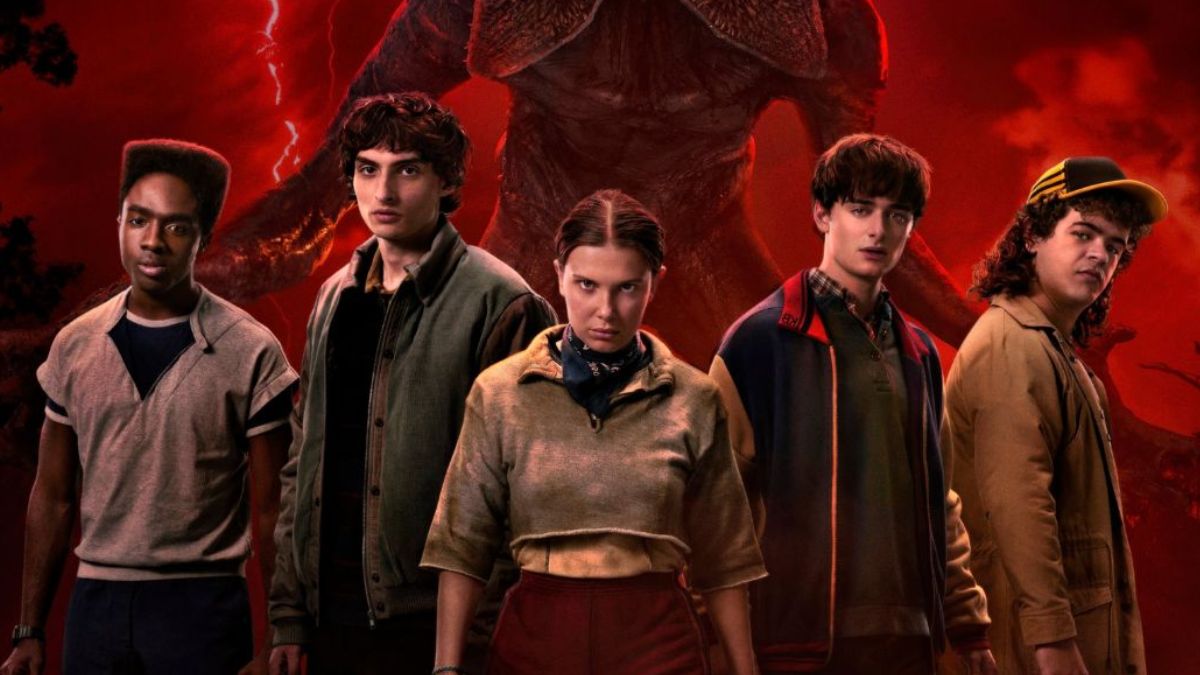
The “Controversial Ending” Talk Started Years Before the Finale
When a series runs for nearly a decade, the finale is never just an episode. It is a verdict on everything that came before it. That pressure is why the cast started lowering expectations long before the last season arrived, not because they were pessimistic, but because they understood the math: you cannot give millions of fans the exact ending they personally want.
Back in January 2023, Finn Wolfhard openly pushed against the idea of the show dragging on, saying it would be “ridiculous” for Stranger Things to run longer than five seasons and adding that he believed the Duffer Brothers had a “perfect ending” mapped out in five.
That is not a spoiler. It is a warning label.
Finn Wolfhard’s “Perfect Ending” Line Was Also a Quiet Reality Check
What people often miss about Wolfhard’s quote is the second half of it. He framed the ending as something the creators had figured out, not something the internet could steer.
In hindsight, that matters because the most heated reactions to finales usually come from fans who expect a show to reward their preferred theory. Wolfhard was basically telling people, years early, to stop treating the ending like a vote.
David Harbour Was Blunt: It Was Time, and It Would Hurt
In February 2023, David Harbour said it felt “very bittersweet” and that it was “definitely time” for the series to end, pointing out that everyone had grown up and needed to move on.
Again, no plot details, but the emotional forecast was clear: the ending was not going to be a tidy victory lap.
What Made the Finale “Controversial” Was Not Shock Value; It Was Ambiguity
Fast-forward to the actual series finale, and the Duffer Brothers confirmed they intentionally left Eleven’s ending ambiguous.
In Netflix’s own Tudum breakdown of the finale, Matt Duffer directly addresses why they left her fate open, framing it as a deliberate choice tied to the larger coming-of-age theme and the reality of what “normal life” could even mean for her.
That kind of ending is almost guaranteed to split viewers. Some people read ambiguity as poetic. Others read it as a refusal to commit. Either way, it matches the “you cannot please everyone” reality that the cast was hinting at years earlier.
Even the Cast Did Not Sell One Single Interpretation
The finale’s ambiguity did exactly what ambiguity always does: it turned the audience into a jury.
Sadie Sink said on The Tonight Show that, in her view, Eleven is dead, and she described Mike’s version of events as a coping story. Entertainment Weekly’s coverage also notes the Duffers’ stance that they wanted the audience to decide what they believe, mirroring what the characters are doing in that final basement moment.
When a lead actor publicly lands on one interpretation, you get instant controversy. Not because the actor is “revealing” something, but because it validates how split the ending already is.
Why the Ending Was Locked Down So Hard
Once an ending is designed to be debated, leaks become even more dangerous. A spoiler does not just ruin the surprise; it hijacks the conversation before viewers have watched the story play out.
After the finale aired on Dec. 31, 2025, fan theories spread claiming there was a hidden extra episode coming. People reports Netflix pushed back via the show’s social bios stating that “ALL EPISODES OF STRANGER THINGS ARE NOW PLAYING,” aiming to shut down the rumor cycle.
That is what heavy secrecy looks like in the real world: not “only three people know,” but a franchise constantly trying to keep the final word from getting drowned out by viral nonsense.
What Those Early “Warnings” Really Meant
If you strip away the hype, the cast’s earlier comments boil down to three truths:
- The creators wanted to end the story on their terms, not stretch it until it collapses.
- The goodbye would be emotional, not just plot-driven.
- The finale would likely spark arguments because it asks viewers to interpret, not just consume.
So yes, the controversial ending chatter was real, but it was not a tease of some scandal or a twist for clicks. It was the cast and creators admitting something most shows avoid saying out loud: a finale is a choice, and choices create winners and losers in the audience.
The Only Smart Way to Judge the Ending
Here is the honest standard.
If you wanted a finale that settles every debate, this was never going to be your kind of ending. The Duffers explicitly chose ambiguity around Eleven, and that choice is the engine of the controversy.
But if you judge the finale by whether it fits the show’s long-running themes, especially growing up, letting go, and choosing who you want to be, then the ending makes more sense, even when it frustrates you. And that is exactly why the cast tried to prepare people years in advance.