Stranger Things has officially reached its end, closing the book on a run that began in July 2016 and culminated with the series finale released on December 31, 2025. That kind of nearly decade-long ride is exactly why the final episode was never going to land the same way for everyone.
Within hours, the conversation split into two camps: viewers who felt wrecked in a good way, and viewers who felt the show tried to do too much, explain too much, or still left the wrong things unresolved.
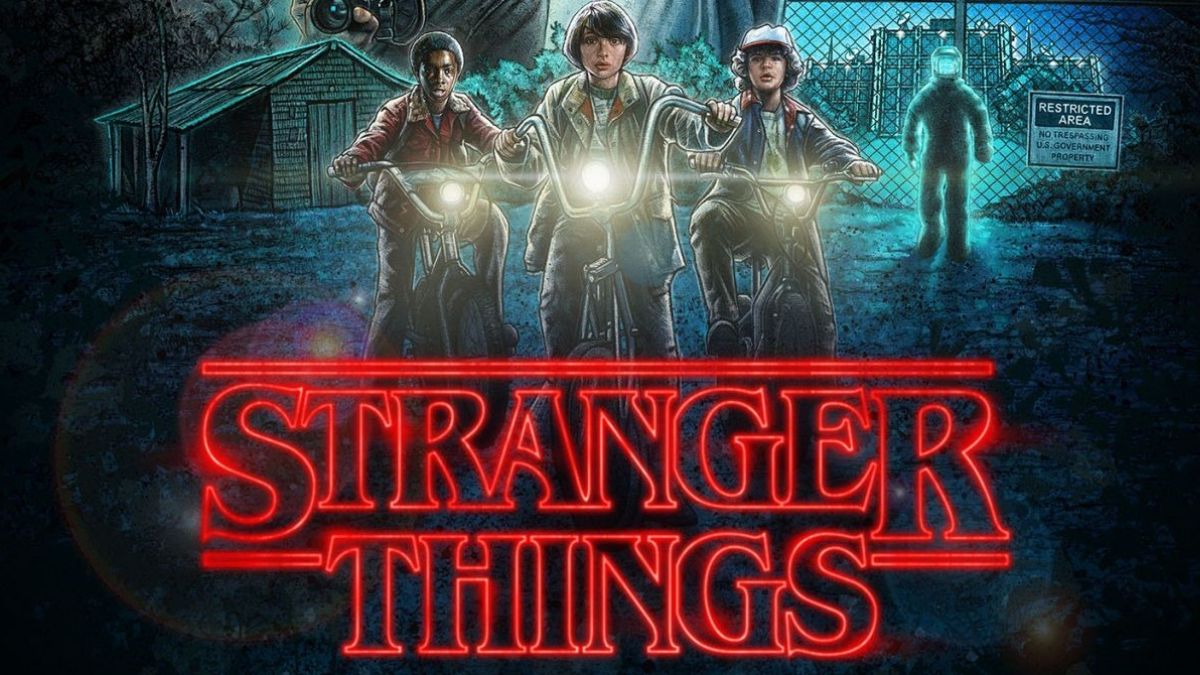
A finale that ended an era, and immediately sparked a debate
The core headline is simple: the ending divided people. The Independent captured the mood right away, describing a finale that prompted both praise and frustration as the show wrapped after almost ten years in the public conversation.
The Guardian’s take was even sharper, arguing that reactions largely depended on how you felt about Stranger Things overall, because the finale leaned hard into the show’s biggest habits: big emotion, big mythology, and big swings.
The biggest reason fans are split: the finale’s deliberate ambiguity
A lot of the online argument is not really about “good or bad.” It is about whether viewers feel satisfied by an ending that leaves space for interpretation, especially around major character outcomes.
Netflix’s own Tudum coverage leans into the idea that the series finale is about saying goodbye to childhood and closing a door, not just winning a final battle. That framing works for some viewers because it treats the ending like a farewell letter. For others, it feels like a dodge, especially after five seasons of teasing answers.
Even the cast commentary fed the divide. People reported that Sadie Sink publicly shared her own interpretation of what happened at the end, while also noting that the ending is built to leave room for debate.
The “secret episode” rumor became a symptom of dissatisfaction
When a fandom cannot agree on an ending, the internet does what it always does: it tries to invent a second ending.
In the days after the finale, a viral theory claimed Netflix was hiding a surprise extra episode and that the “real” ending had not dropped yet. People reported that Netflix effectively tried to shut that down by signaling that all episodes are available now, and quoted cast comments reinforcing that the story is finished.
That matters because it shows how intense the split got: some viewers were not just unhappy, they were looking for a structural explanation for why the finale felt “off” to them.
The Will Byers arc became another flashpoint
One of the most emotionally loaded strands of the final season involved Will, and it became part of the wider argument about whether the show handled character closure well.
Entertainment Weekly reported that Noah Schnapp asked the Duffer Brothers to add a specific finale scene to give Will and Mike more emotional closure, especially following Will’s coming-out-related storyline in the final season. This is the kind of detail that tends to intensify reactions, because it tells fans the ending was still being shaped right up to the finish line.
For some viewers, that behind-the-scenes openness reads as care and collaboration. For others, it reads as a sign that the writers were patching holes late.
Why plenty of viewers still loved it
The loudest discourse usually comes from the most disappointed people, but a big portion of the audience responded to the finale exactly the way the show clearly wanted: as an emotional goodbye to the characters they watched grow up.
Tudum’s finale interview with the Duffer Brothers emphasizes that the ending is designed around farewell, loss, and moving forward, not just lore bookkeeping. And for fans who came to Stranger Things for relationships first and mythology second, that approach lands.
What happens next, even if the main story is over
Netflix is still feeding the appetite, just not with more episodes of the main series. Tudum has promoted a behind-the-scenes documentary about the final season, positioned as the official “how it got made” coda for fans who are not ready to let go.
And while the flagship story is done, there is still franchise life ahead in other forms. Decider notes that spin-off development has been discussed publicly, even as the creators stress that the original story has concluded.
Bottom line: the finale divided fans because it had to. Stranger Things was too big, too long-running, and too emotionally loaded to end in a way that felt perfect to everyone at once. The real question now is whether time softens the backlash, or whether this becomes one of those endings people argue about for years.