Sadie Sink isn’t trying to deliver a perfectly “safe” answer about how Stranger Things ends. When she was asked directly whether Eleven really died in the finale, she didn’t hedge much. Her answer: she thinks Eleven is dead.
And she knows that’s not the popular, comforting interpretation.
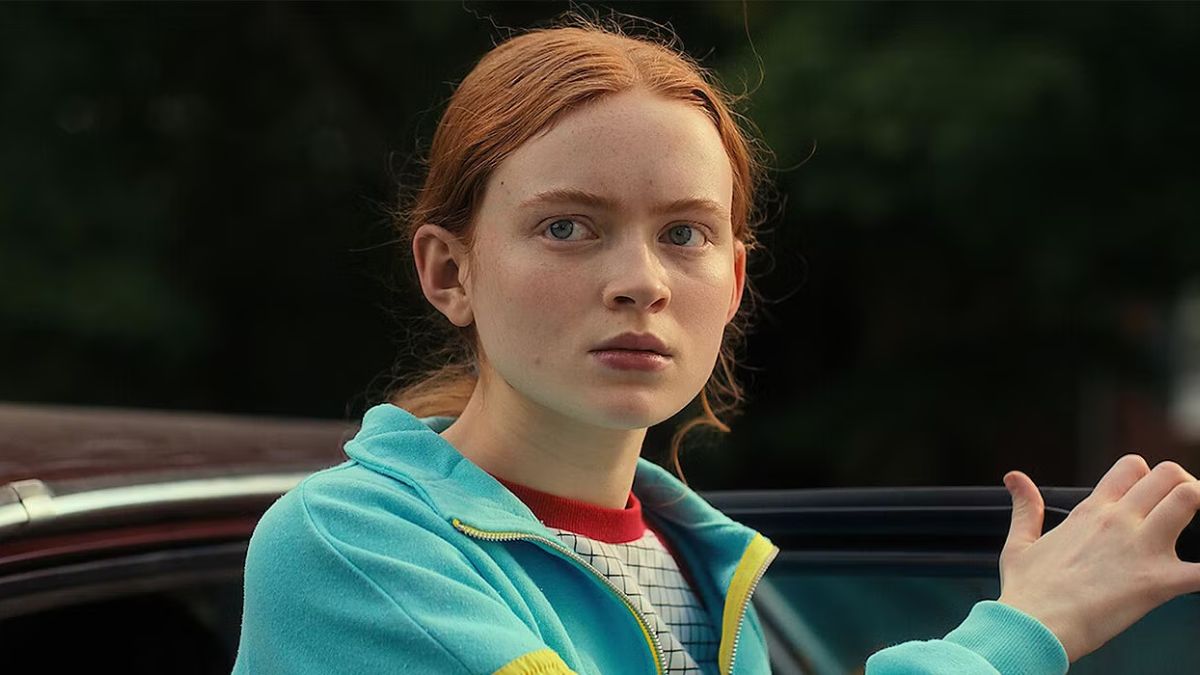
What Sadie Sink actually said about Eleven’s fate
In her comments, Sink points to the finale’s built-in contradiction: Eleven appears to sacrifice herself, but later the show offers a softer explanation through Mike, who tells the group that Eleven may have faked her death and gone off to explore the world.
Sink doesn’t buy that version. Her read is that Mike’s explanation functions like a coping story—something the characters tell themselves to survive the grief of what happened.
In other words, the “happy” version isn’t proof. It’s a denial.
Why does she think that version is the stronger ending
Sink also makes a storytelling argument: Eleven dying lands as a stronger ending than leaving the door open for a neat, hopeful epilogue.
That’s not the same thing as saying fans should want a tragic ending. It’s more about what Stranger Things has always been good at when it’s at its best: letting nostalgia and warmth exist, while still making the Upside Down feel like it costs something.
The showrunners designed the finale to support competing interpretations
This is where things get interesting: Sink’s “Eleven is dead” read doesn’t contradict the creators’ intent, because the Duffer Brothers have said the goal was to leave the answer up to viewers—just as it’s left up to the characters to decide what they believe.
They’ve also talked about spending a huge amount of time debating Eleven’s fate in the writers’ room, and letting that debate echo in the finale’s dialogue.
So if you came out of the ending thinking “she lived,” you’re not wrong. If you came out thinking “she died,” you’re also not wrong. The ambiguity is the point.
How the ending ties back to the show’s real theme: growing up
Netflix’s own behind-the-scenes framing of the finale leans hard into the idea that the ending is about leaving childhood behind. In the Duffer Brothers’ breakdown of the final episode, they describe the closing sequence (with the group in the Wheelers’ basement) as a symbolic goodbye to childhood and passing the torch to the next generation.
Sink’s interpretation fits that theme neatly: a “coping story” is exactly the kind of thing people do when a chapter ends, and they’re not ready to accept it.
Sink has also been candid about what the goodbye means personally
In a separate interview, Sink described Stranger Things as her childhood and talked about how life is going to feel different now that it’s over—especially because the cast grew up together inside something that wasn’t a normal way to grow up.
That context matters. Her “honest thoughts” aren’t coming from fan theorizing. They’re coming from someone who lived the ending from the inside, and still sees it as a real ending—not a soft landing.