Maury Povich has never been shy about what made his daytime empire work. But in a new look back at the tabloid talk show era, he draws a firm line between then and now, saying there is “no way” he could do Maury the way it ran in the 1990s.
His comment arrives as ABC News rolls out a new three-part docuseries, Dirty Talk: When Daytime Talk Shows Ruled TV, which revisits the genre’s rise and the controversies that followed.
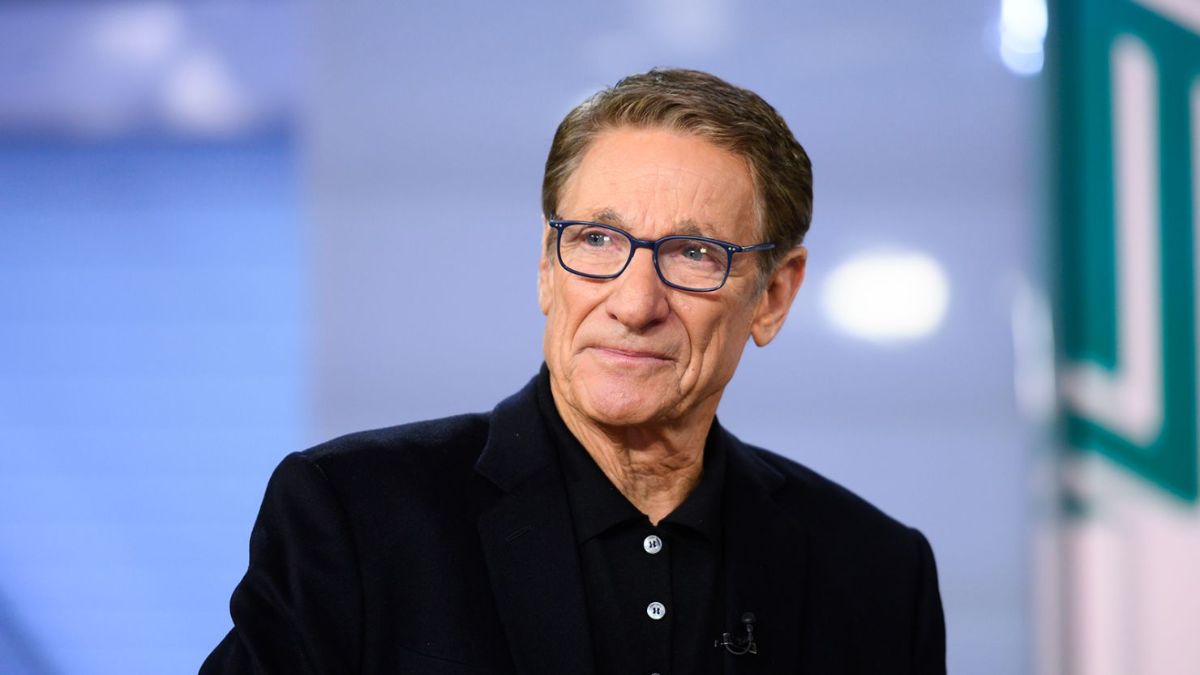
What Povich said, and why he is saying it now
Povich’s “there’s no way” line appears in the trailer for Dirty Talk, where the series frames daytime talk’s most sensational years as a period when outrageous moments became normalized for ratings.
ABC News has positioned the docuseries as a broader cultural autopsy, examining the “rise, fall and lasting impact” of the most sensational era of daytime talk, including how the format shifted from confessional television into controversy-driven spectacle.
What Maury was in the 1990s, and what it became
The show that began as The Maury Povich Show in 1991 eventually became Maury, and it built its identity on high-stakes personal conflict packaged for daytime viewing, especially paternity episodes that turned test results into live TV cliffhangers.
By the time production ended in 2022, the series had become one of the defining examples of tabloid daytime talk, and it remained a syndicated staple even as the overall genre started thinning out.
Why Povich says the format would not work today
Povich’s point is not that audiences stopped liking messy television. His point is that the specific ecosystem that allowed Maury to thrive has changed.
In Dirty Talk, the era is portrayed as one in which on-set conflict, including verbal and physical altercations, was treated as a feature, not a bug. And ABC’s framing highlights psychological and cultural consequences for the people involved, not just the entertainment value.
In 2026, that combination creates obvious friction:
-
A permanent digital footprint. Guests are no longer “daytime anonymous” after an episode airs. Clips get ripped, reposted, memed, and archived.
-
Faster backlash cycles. A segment that once played for shock can now trigger immediate criticism and calls for accountability.
-
Stronger sensitivity to exploitation narratives. Even if guests consent, the public conversation often shifts to whether the show created pressure, humiliation, or harm.
That is the subtext behind Povich’s blunt conclusion: the old rules do not apply anymore, and a reboot in the same style would bring a different kind of heat.
The docuseries angle: not nostalgia, more reckoning
Dirty Talk is not being sold as a fun highlight reel. The structure signals an intent to interrogate the machine: why it exploded in the 1990s, what guests were seeking, and the real-world fallout that could follow when private conflict became mass entertainment.
That context matters because it reframes Povich’s quote. He is not just protecting his legacy. He is acknowledging that the genre’s most extreme era is now judged through a very different cultural lens.
What Povich is doing instead now
Povich has not disappeared; he has just moved to formats that fit the current media reality.
He launched a podcast, On Par With Maury Povich, where he leans into long-form conversation rather than confrontation-based television. He has also stayed connected to the paternity-test brand in a more controlled way, including launching an at-home paternity testing business called “The Results Are In,” according to reporting from People.
Conclusion
When Povich says his 1990s show would not work today, he is describing a reality TV and talk TV truth: you can still do drama, but you cannot do it the same way, with the same guardrails, and expect the culture to react like it is 1997.
Between streaming-era scrutiny, social media amplification, and shifting norms about what counts as acceptable “spectacle,” the old formula is no longer a safe bet, even for the man who helped perfect it.