Jennifer Marshall, who played Susan Hargrove (Max’s mom) on Stranger Things, has drawn attention online after claiming that a cut hospital scene involving Susan and Max affected her ability to maintain health coverage during cancer treatment.
The allegation has circulated widely because it touches a real pressure point for working actors: union health coverage can depend on meeting earnings or workday thresholds within a specific eligibility period.
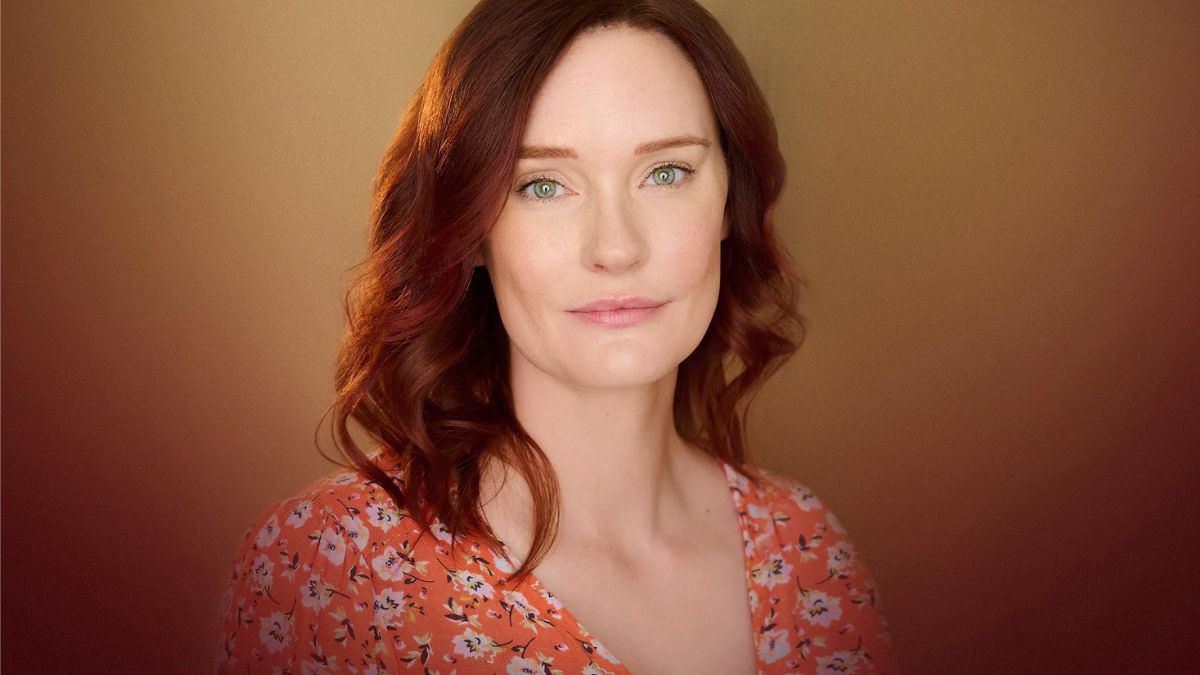
What Jennifer Marshall is alleging
Recent entertainment coverage reports that Marshall posted about the decision to cut a Susan-Max hospital scene, saying it had real-world consequences for her, including that it “cost” her insurance while she was dealing with cancer treatment. These stories generally frame her comments as a criticism of the creative decision to remove her material.
A key limitation is that the claim is being repeated mainly through reports about her post, not through publicly available production paperwork, contracts, or statements from the show.
What is confirmed about her role and health history
Marshall is publicly credited as Susan Hargrove on Stranger Things. Separately, reputable profiles and interviews have discussed her experience with stage 3 melanoma, her treatment, and her later remission. So the cancer-treatment context is not coming out of nowhere.
How union health coverage eligibility typically works
SAG-AFTRA health coverage eligibility is generally tied to covered earnings thresholds and or an Alternative Days calculation during a base earnings period. In plain terms, it is not about how much screen time you get. It is about whether your work produces enough qualifying earnings or qualifying days in the right window.
That is why stories like this spread fast. If someone is close to a threshold, a lost job, fewer workdays, or timing issues can matter.
The part of the claim that needs skepticism
A scene being cut from the final edit does not automatically equal lost eligibility, because the key factor is covered earnings and qualifying work, not whether your footage airs.
If her insurance situation was impacted, the more plausible mechanisms would be things like:
-
the day or days of work not occurring as expected
-
fewer covered days than planned
-
earnings landing outside the eligibility window
-
missing a threshold by a small margin
The public reporting does not provide enough detail to verify which of these applies, or to prove direct causation.
What we do not have yet
As of now, there is no widely circulated on-the-record response from Netflix or the Duffer Brothers specifically addressing Marshall’s claim, and most articles rely on secondary reporting of her comments rather than original documentation.
Why this is resonating
Even without picking sides, the issue hits a nerve because it highlights how unstable health coverage can feel for performers whose work is episodic, irregular, and dependent on decisions they do not control.