Stranger Things has never been shy about big emotional swings, but Season 5’s coming-out moment for Will Byers still managed to spark a louder argument than Netflix probably wanted in finale week.
Some viewers praised it as long overdue character truth. Others criticized the timing and execution, and a smaller but uglier corner of the internet treated it as a reason to review bomb the episode.
Here is what the Duffer Brothers actually said about the criticism, what the backlash looked like, and why they argue the scene was not just a representation, but plot-critical.
What happens in Will’s coming-out scene
According to reporting on the final run, Will comes out to his inner circle in the penultimate stretch, right as the group is gearing up for the final stand against Vecna.
Entertainment Weekly also notes the broader setup: Will’s Season 5 arc includes him opening up emotionally, including a confession about having feelings that are not returned, and the season uses that vulnerability as part of his endgame growth.
What the criticism was really about
The pushback clustered around a few themes:
-
Placement and pacing: Critics of the moment argued it plays like a “show-stopping” scene at a time when the story is ramping toward its biggest action. That “why now?” feeling is part of what fueled the online argument.
-
Tone and realism: Some commentary framed it as unrealistic or “crammed in,” especially given the show’s 1980s setting and the pressure cooker circumstances.
-
Bad-faith outrage: Separate from craft criticism, multiple reports describe homophobic backlash and review bombing tied specifically to Will coming out.
Those categories matter because they are not the same argument. “I don’t like the pacing” is a storytelling critique. “This shouldn’t exist” is just prejudice.
How the Duffer Brothers responded
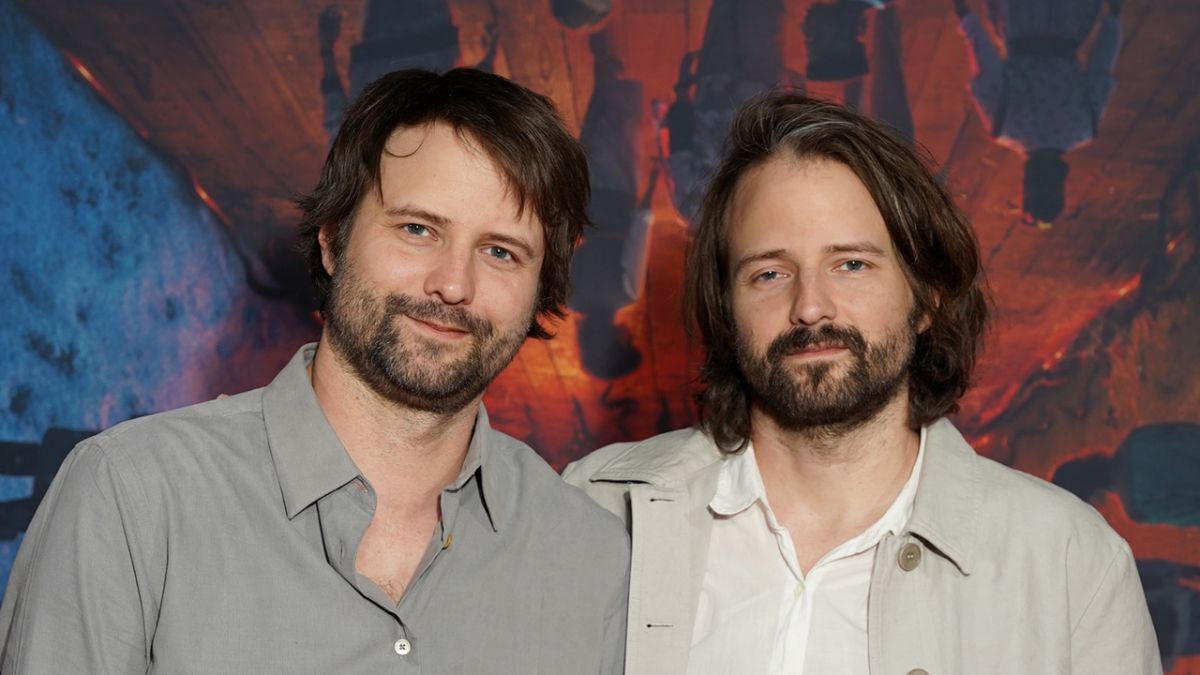
In interviews summarized by People and E! News, Matt and Ross Duffer said they did not expect the level of backlash targeting Will’s storyline, and they emphasized the scene was something they had been building toward for years.
They also pushed back on the idea that it was tacked on. Their stance is that the moment is important thematically and narratively, and that Will’s self-acceptance is framed as the final step in his arc.
Most importantly, they tied it directly to the mechanics of the finale: Ross Duffer described Will coming out as part of “overcoming evil” so the group can take down Vecna, and Matt Duffer described it as the last step Will needs to take, positioning Will as central to defeating Vecna.
The review bombing piece, and why it became part of the story
This did not stay contained to social media discourse. Trade coverage reported that Season 5 faced review bombing and that the coming-out episode became a target.
At the same time, audience scoring is clearly split. Rotten Tomatoes currently shows Season 5 at 83% Tomatometer and 54% Popcornmeter (with 10,000+ audience ratings), a gap that reflects how polarizing the season’s final stretch has been.
Why the Duffers say the scene is plot-critical, not optional
If you strip away the headlines, the Duffers’ core argument is simple: Vecna’s power feeds on fear, shame, and what characters hide from themselves. In that framing, Will cannot fully fight back while he is still locked in secrecy about who he is.
That is why they describe the moment as Will taking a final step toward self-acceptance, and why they connect it to the battle itself, not just representation.
You do not have to love the staging to understand the intention: the scene is written as Will refusing to be controlled by the same inner fear Vecna exploits.
Noah Schnapp’s role in shaping the final emotional closure
One of the more grounding details in all of this is that the show did not treat Will’s arc like a one-scene checkbox.
In post-finale interviews, Noah Schnapp said he felt there was still something “left unsaid” between Will and Mike after the coming-out moment, and he asked the Duffers to add an extra scene in the finale to close that relationship properly. They agreed and added it.
That matters because it shows two things at once:
-
The creative team knew the storyline carried weight and needed a clean emotional resolution.
-
The Duffers were willing to adjust late to make the arc feel complete, not abrupt.
Conclusion
There is a real debate to be had about whether the timing of Will’s scene works for every viewer. But the “forced” accusation falls apart once you look at what the creators actually said: they wrote it as an endgame turning point for Will, and as part of the show’s logic for how Vecna gets beaten.
If anything, the backlash story says less about the scene itself and more about how modern fandom behaves when a show tries to resolve a long-running character thread in the most high-stakes part of the narrative.