Charlie Sheen’s story has been told in headlines for decades, but Netflix’s two-part documentary, aka Charlie Sheen reframes it as one long arc: early Hollywood success, peak TV stardom, public unraveling, and the slow work of trying to rebuild a life after it all. The doc began streaming on Netflix on Sept. 10, 2025, and it arrives alongside Sheen’s memoir The Book of Sheen, published the day before.
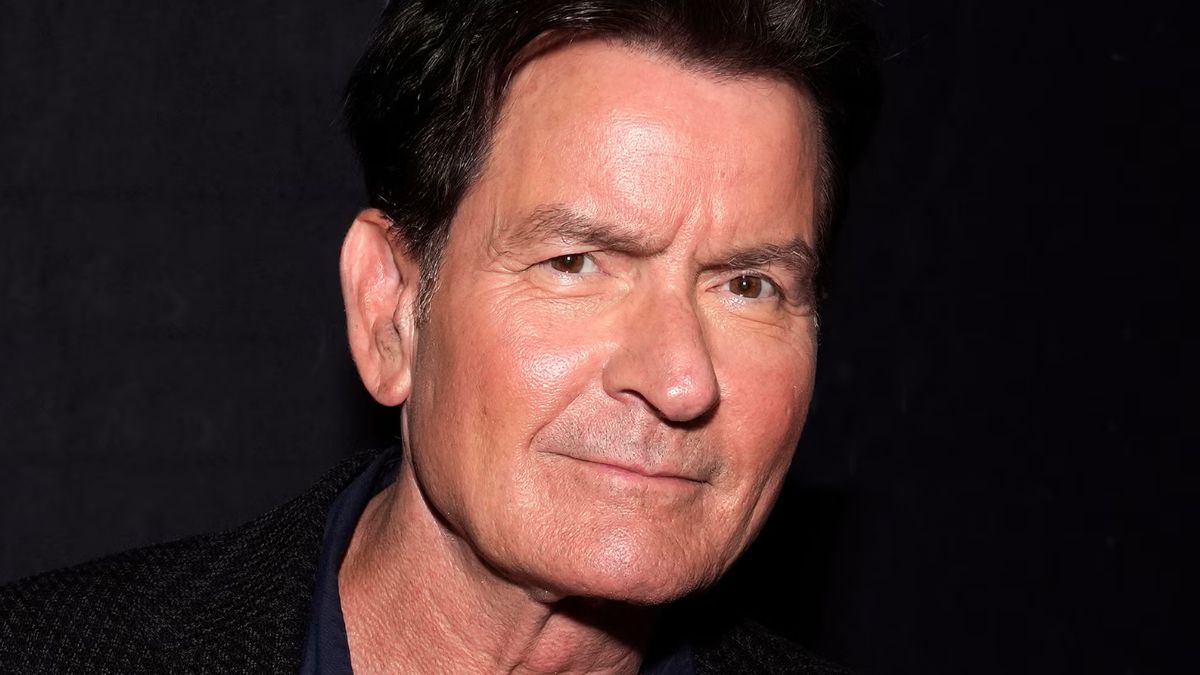
The new Netflix doc, explained
aka Charlie Sheen is a two-episode documentary directed by Andrew Renzi. It’s built around Sheen’s own on-camera account, backed by archival footage and interviews with people who were close enough to see the off-camera reality—ex-wife Denise Richards, ex-wife Brooke Mueller, Two and a Half Men co-star Jon Cryer, and showrunner Chuck Lorre among them.
The project’s pitch is “no gentle version.” Netflix’s Tudum coverage says it directly revisits the most complicated chapters, including substance-use struggles, personal relationships, and Sheen’s health diagnosis (which he disclosed publicly in 2015).
The highs: from breakout movies to unstoppable TV fame
Before Sheen became a tabloid fixture, he was a legit, bankable actor with a run of high-profile films in the 1980s and 1990s—Platoon, Wall Street, Major League, and the Hot Shots! comedies among the best-known.
Then came the TV era: Sheen’s role as Charlie Harper on Two and a Half Men turned him into one of the most recognizable sitcom leads of the 2000s—fame so big it reshaped how the public read every personal headline that followed.
The lows: when the off-screen story swallowed the career
The turning point the documentary inevitably returns to is the collapse of his Two and a Half Men run. In 2011, the show paused production while Sheen sought treatment, the situation escalated publicly, and Warner Bros. ultimately terminated his contract.
What made that moment uniquely combustible wasn’t just industry conflict—it was that the unraveling happened in public, in real time, with the language of celebrity spectacle replacing the usual PR containment. The documentary’s structure is essentially built on that idea: Sheen didn’t just hit a rough patch; his life became a 24/7 storyline.
After that, Sheen returned to TV with Anger Management, which ran on FX from 2012 to 2014.
The health chapter and the cost of secrecy
One of the most consequential parts of Sheen’s later public narrative is his HIV disclosure. He revealed he was HIV-positive in a televised interview in 2015, after years of keeping it private.
In Tudum’s reporting, Renzi describes Sheen’s willingness to address that period as some of the most vulnerable material in the documentary.
What the documentary is really selling: consequences, or lack of them
If you’re expecting a clean redemption narrative, multiple reviews argue the series is messier than that. The Guardian’s review, for example, criticizes the doc for letting Sheen control too much of the framing and for not interrogating certain controversies with enough force.
That tension—raw access versus selective accountability—is basically the central question hanging over any Sheen retrospective. And the doc seems aware of it: it doesn’t just revisit “fame gone wrong,” it shows how many people around him had to absorb the impact.
Where Sheen says he is now
People’s reporting around the premiere frames the documentary as covering Sheen’s “journey to sobriety,” with Sheen positioning these projects less as a plea for forgiveness and more as an attempt to put his story in his own words.
Whether viewers experience that as honesty, image repair, or something in between will depend on how much responsibility they feel the documentary takes—and how much they think it avoids.