Elijah Wood, who famously played Frodo Baggins in The Lord of the Rings trilogy, has been candid about how the massively successful films didn’t translate into life-changing paychecks for him or his co-stars. Speaking at the Texas Film Awards in 2025, Wood said that although the trilogy was a huge cultural and box-office hit, the way the actors were paid didn’t allow them to “rest easy for the rest of your life.”
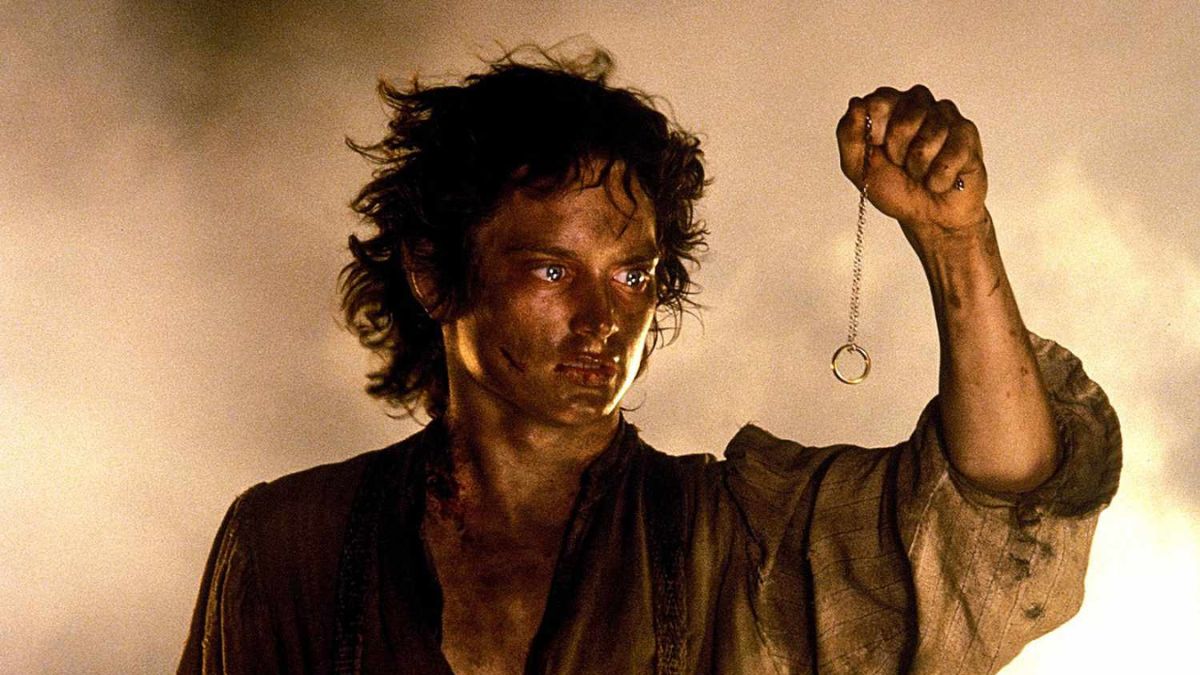
Wood explained that because The Lord of the Rings films were all shot back-to-back from the start, cast members didn’t have the opportunity to renegotiate their contracts between movies, a common practice that often leads to bigger paydays when sequels succeed. “Because we weren’t making one movie and then renegotiating a contract for the next, it wasn’t the sort of lucrative scenario that you could sort of rest easy for the rest of your life,” he said in comments shared with Business Insider.
The trilogy, directed by Peter Jackson and based on J.R.R. Tolkien’s epic novels, went on to become one of the highest-grossing film series ever, collectively earning nearly $3 billion worldwide and winning a record-equalling 11 Academy Awards. Yet most of the main cast has noted over the years that their compensation was much more modest than the franchise’s financial success might imply.
Wood’s remarks echoed similar comments from co-stars. For example, Lord of the Rings alum Orlando Bloom, who played Legolas, revealed in previous interviews that his salary for all three films was relatively low compared with the films’ earnings, and The Fellowship of the Ring era pay for actors like Sean Astin was widely reported as modest as well.
Despite the lack of huge salaries, Wood emphasized that he holds no bitterness about the situation. He framed the choice as part of the production’s early gamble and one that helped make the films both possible and iconic. He said the trade-off was worth it because being part of The Lord of the Rings “was going to be a part of our lives forever,” underscoring how meaningful the experience was beyond financial terms.
Rather than lamenting the pay structure, Wood and others in the cast have highlighted how the films shaped their careers and remain beloved by audiences decades later, even if the money wasn’t as lucrative as some might have assumed.