Veteran ESPN “SportsCenter” anchor Jay Harris has disclosed that he has been diagnosed with prostate cancer, sharing the news publicly during an appearance on ABC’s Good Morning America and in a first-person essay for ESPN.
Harris said his doctors are optimistic about his prognosis and that recent imaging indicated the cancer had not spread. He told Good Morning America he planned to undergo surgery on June 10 and step away from SportsCenter for about a month to recover.
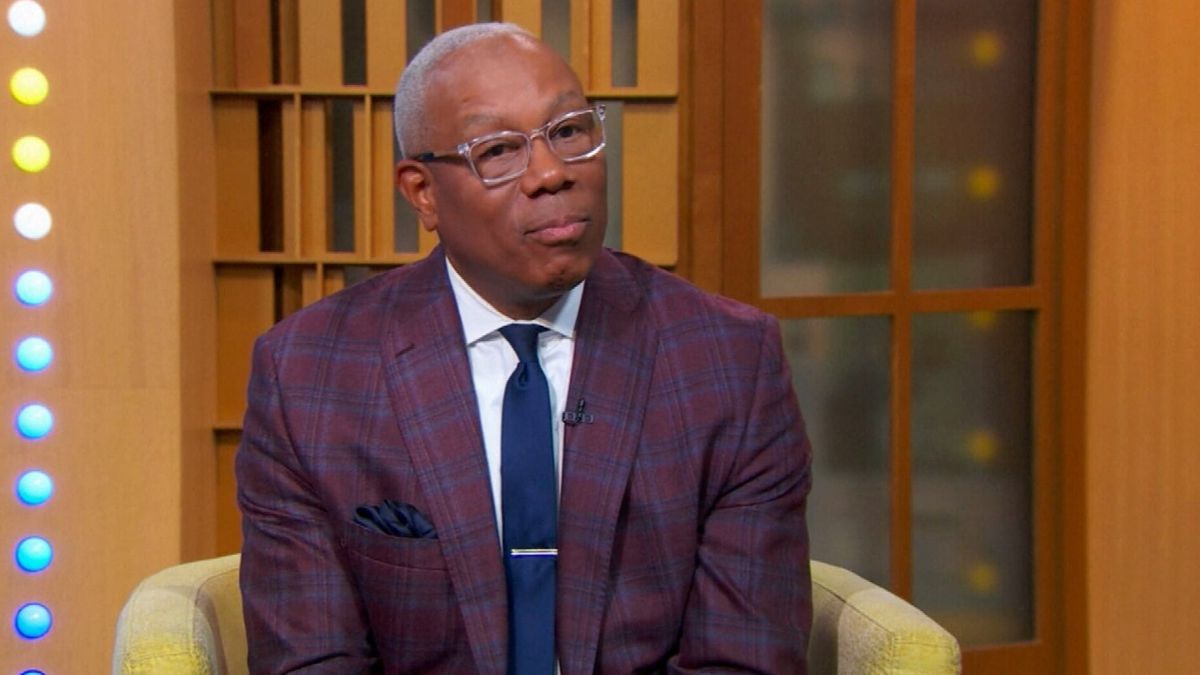
What Harris said about his diagnosis and treatment plan
In his ESPN Front Row essay, Harris wrote that he received the diagnosis “over a month ago” and described it as jarring, but not entirely unexpected given his family history and risk factors.
He shared that his father previously had prostate cancer and survived it, and he noted that prostate cancer disproportionately affects men—one reason he said he has long kept the topic on his radar during annual checkups.
Harris also said he has been talking openly with his 26-year-old son about what’s happening, framing his decision to go public as part of a broader goal: normalizing conversations men often avoid until a health scare forces them to.
A positive update after surgery
After announcing the diagnosis, Harris later shared a recovery update saying the surgery went “really well” and that the cancer appeared to have remained contained within the prostate—meaning it had not spread to surrounding areas. He also said he was aiming to return to SportsCenter on July 12.
Why Harris said he wanted to speak publicly
In his essay, Harris described how quickly the topic opened up real conversations with friends—shifting from everyday talk to frank discussions about appointments, tests, and family history. He positioned that kind of openness as the point: if more men talk earlier, more men get checked earlier.
He also pointed to the sheer scale of the disease. Harris cited the American Cancer Society’s estimate of more than 310,000 new U.S. prostate cancer cases in 2025, noting that prostate cancer touches an enormous number of families.
What major health agencies say about screening
Harris’s announcement also lands amid long-running public-health messaging around prostate cancer screening and informed decision-making.
The CDC notes that men ages 55–69 should make an individual decision about PSA screening after discussing potential benefits and harms with a clinician, and that routine screening is not recommended for men 70 and older.
Similarly, the U.S. Preventive Services Task Force recommends individualized decision-making for PSA-based screening in men ages 55–69 and recommends against routine screening in men 70 and older.
Harris’s ESPN career and time away from the desk
Harris has been a fixture at ESPN for more than two decades. ESPN’s biography notes he joined the network in February 2003 and anchored his first SportsCenter that same year, with additional hosting work across major studio properties and event coverage over time.
With his recovery timeline, Harris indicated the time away would be temporary—aimed at treatment and rest—before returning to the anchor desk.