The Dallas Cowboys Cheerleaders have secured a major pay increase following a long-running push for better compensation—an issue that becomes a headline storyline in Season 2 of Netflix’s docuseries America’s Sweethearts: Dallas Cowboys Cheerleaders.
Multiple reputable entertainment outlets reporting on the season say the new deal represents what cheerleaders describe as a “400 per cent increase,” framing it as a significant shift after years of criticism that the role’s pay did not match its workload, visibility, and expectations.
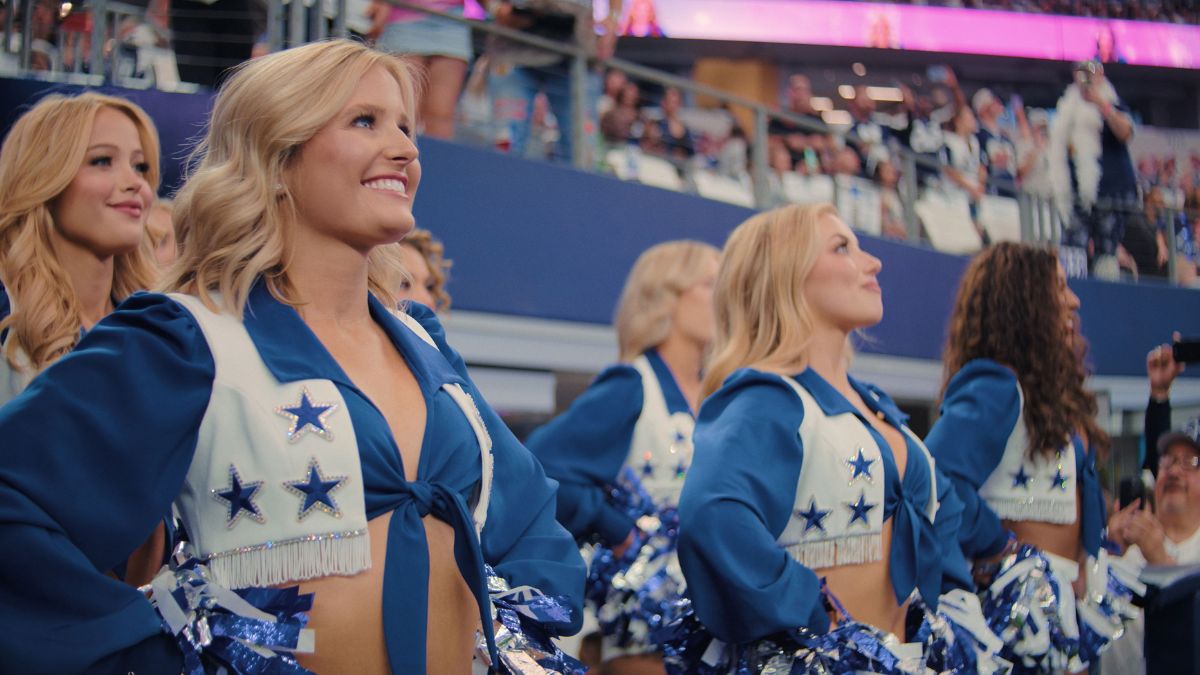
What the “400 per cent increase” refers to
Public reporting has not produced one single, definitive compensation table released by the Cowboys that breaks down every category of pay. That’s why coverage often relies on what is described on the show, plus the broader context that has been discussed for years around cheerleader compensation.
In the series coverage, the “400 per cent” figure is presented as a major step-change rather than a minor adjustment, and it’s widely characterized as meaningful enough to change how cheerleaders experience the job financially.
At the same time, there’s an important nuance: cheerleader pay can include multiple components—practice/training compensation, game-day compensation, appearances, and other team obligations. When people hear a huge percentage increase, they often assume every single dollar amount across the board is multiplied evenly. In reality, the boost may apply most strongly to particular categories, and the exact structure matters.
How the docuseries depicts the pay fight
Season 2 reportedly treats compensation as a central tension, not a throwaway subplot. Coverage of the episodes describes cheerleaders openly discussing how demanding the job is—physically, emotionally, and time-wise—while also addressing the financial reality that many still need additional work to make ends meet.
The story is framed as a coordinated effort rather than isolated complaints: leaders within the squad advocate internally, push for meetings, and attempt to turn private frustration into an organized ask.
The on-screen payoff, as summarized by major outlets, is that the team ultimately receives the raise. The tone of the reporting suggests it lands as a defining moment for the season, with cheerleaders presenting it as a breakthrough after sustained effort.
The broader context: this wasn’t an overnight change
The pay conversation around the Dallas Cowboys Cheerleaders has been public for years, and it didn’t begin with this season of television. Past legal action and media scrutiny already put compensation in the spotlight, and earlier reporting connected prior disputes to previous increases in game-day pay.
Season 2 frames the new raise as a much larger next step—one that arrives after repeated questions about how a globally recognizable brand could be paired with compensation levels often described as surprisingly low for the time and prestige required.
What’s still unclear or unresolved
Even with a major raise, two practical issues remain in the public conversation.
First, the specific breakdown: without a full official public pay table, it’s difficult for audiences to distinguish precisely how much of the increase applies to each pay category and how that translates into total seasonal earnings across rookies versus veterans.
Second, benefits and employment structure: reporting suggests the role’s part-time classification has long raised questions about benefits coverage and overall labor protections.
A pay increase is significant, but it doesn’t automatically resolve issues like healthcare access, job security, and the broader economics of a role that can demand intense commitment while still being treated as non–full-time work.
Why this matters beyond one cheer squad
The Dallas Cowboys Cheerleaders are arguably the most visible cheerleading brand in American sports. That visibility is exactly why this story is resonating: when the most famous squad in the country gets a dramatic raise after a public-facing pay fight, it becomes a reference point for how other teams, leagues, and entertainment-adjacent sports roles may be evaluated.
The takeaway isn’t just “they got more money.” It’s that a group with high brand value, heavy performance expectations, and major public exposure can push back—and, at least in this case, win a notable change.