The Electric State, Netflix’s ambitious sci-fi adaptation directed by Joe and Anthony Russo, leaves some viewers with plenty of questions, especially about its ending. Starring Millie Bobby Brown as Michelle and Chris Pratt as the weary smuggler Keats, the film weaves a poignant, emotional finale that explores loss, sacrifice and human connection against the backdrop of a dystopian robot uprising. Recently, Pratt and the Russo brothers sat down to explain what the ending means and why certain choices were made.
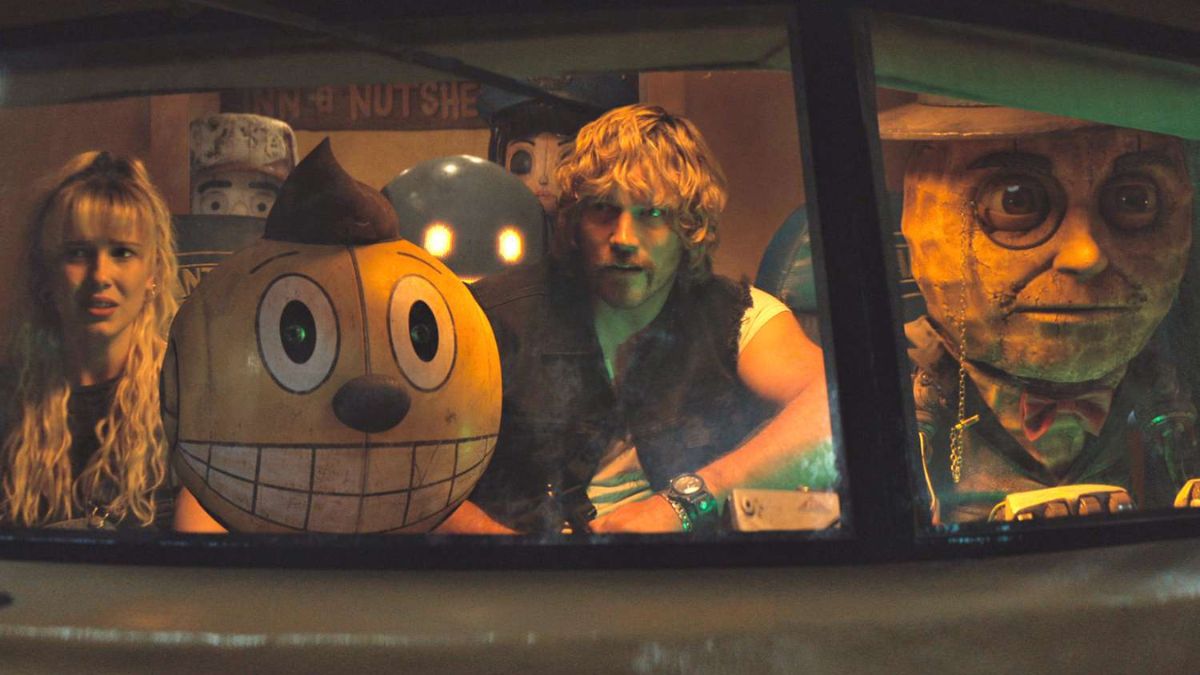
At its core, The Electric State ends with a hard, emotional decision. After traveling across a broken America populated by abandoned and exiled robots, Michelle and her companions infiltrate the headquarters of the tech corporation Sentre to save her genius younger brother, Christopher. In the climactic confrontation, Michelle discovers that the only way to take down Sentre’s oppressive control, and free both humans and robots, is to pull the plug on Christopher’s life support, effectively killing him. It is a heartbreaking moment of sacrifice, but one the filmmakers saw as essential to the story’s message.
According to Joe Russo, the decision for that emotional beat was intentional. In explaining the ending, he said that electricity and connection are key metaphors in the movie, not just in the literal sense of the robots and technology, but in how humans relate to each other. Ending Sentre’s reign by disconnecting the oppressive tech meant restoring a balance between technology and humanity. “If you’re telling a big, epic story about a society that’s falling apart… how do you emerge from that in a way that is hopeful but honest to the cost of that journey?” Joe asked, highlighting that sacrifice and loss had to be felt deeply in the finale.
Pratt also spoke about his character’s arc in the context of the ending. Keats — a battle-scarred veteran who starts out cynical and self-interested, ultimately becomes part of Michelle’s journey and the larger cause. At the emotional high point, Keats (Pratt) confesses deep feelings for his robot companion Herman (voiced by Anthony Mackie) in a moment that blends humor, vulnerability and genuine affection. Pratt revealed that part of that moment was improvised on set and embraced by the directors, adding emotional texture to an already impactful conclusion.
That heartfelt moment dovetails with another key theme of the ending: robots as mirrors of human traits. Joe Russo pointed out that the decision for some robots, especially the friendly and folksy Mr. Peanut (voiced by Woody Harrelson), to show mercy toward humans reflects how the movie views humanity itself. Robots, long demonized and pushed into exile, ultimately demonstrate empathy and moral complexity that some humans in the story lack, underscoring the film’s commentary on connection over isolation.
The post-battle sequence additionally suggests a glimmer of hope. While Christopher’s physical body dies, there are indications, such as the final moments with the robot Cosmo, that his consciousness or some trace of him may persist. Fans theorize that this hints at a lasting legacy of connection, rather than outright annihilation. Such ambiguity ensures the movie’s ending remains emotionally rich and open to interpretation.
Beyond the narrative choices, Pratt and the Russos also touched on why they embraced these dramatic themes in the first place. Anthony Russo explained that they wanted a story with real stakes and emotional weight, rather than just spectacle. Pratt echoed this, noting how the blend of human and robotic relationships gives the audience more than a typical sci-fi adventure, it gives them heart.
As for whether there will be a sequel, the filmmakers say there are no concrete plans yet, though they’ve discussed expanding the world in other ways, such as spin-offs or games linked to the story. For now, The Electric State stands as a singular story that challenges viewers to think about what it truly means to stay connected in an increasingly digital world.