Veteran actor Stanley Tucci, known for a remarkably varied career playing everyone from mobsters and priests to eccentric hosts and historical figures, says there’s one role from his filmography that comes closest to reflecting his own personality in real life: Nigel Kipling, the sharp-tongued art director from the 2006 hit The Devil Wears Prada.
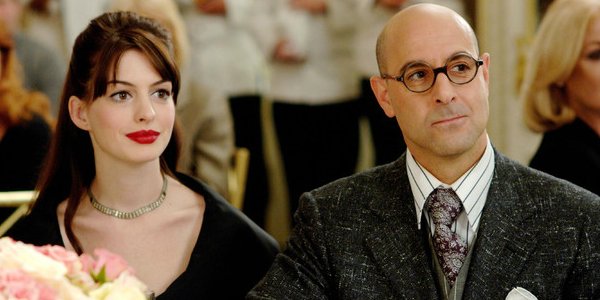
Tucci, 64, shared this surprising insight during an appearance on The Kelly Clarkson Show, where guest-host Kal Penn asked him a simple but revealing question: Which of your many characters is most like you in real life? Without hesitation, Tucci pointed to Nigel, the stylish and witty magazine insider who became one of the most beloved figures in David Frankel’s fashion comedy. “He’s very stylish, and he can be a bit caustic. But he’s got a good heart,” Tucci explained, later quipping with a smirk, “I mean, I think I have a good heart.”
That combination of sharp wit and genuine warmth helped make Nigel such a standout. In The Devil Wears Prada, the character serves as a mentor and confidant to Anne Hathaway’s ambitious assistant Andy, offering helpful, if cutting, insights into the cutthroat world of fashion publishing. The role is remembered as a highlight in the film, partly because Tucci brought both style and a subtly humorous edge to the part.
For Tucci, who has enjoyed a long career marked by diverse and sometimes intense roles, the choice of Nigel as his most personally relatable character is telling. While he’s played darker figures, including serial killers and tough mob members across films like The Lovely Bones and Road to Perdition, it’s the Devil Wears Prada role that aligns with the more playful, observant side of his own personality.
Tucci’s comment also highlights how a character’s tone doesn’t have to be serious or dramatic to be meaningful to an actor. Nigel’s caustic humor and genuine moments of empathy evidently struck a chord with Tucci, who has built a career on depth, nuance, and the ability to find humanity even in sharp-edged characters. His reflections offer a rare glimpse into how performers connect with their work beyond the surface level, showing that even seasoned actors carry parts of certain roles with them long after the cameras stop rolling.
In the end, Tucci’s admission underscores a fascinating truth about acting: occasionally, the most memorable characters onscreen are also the ones that reflect something real about the person behind them, even if that realism comes with a bit of wit and a touch of caustic flair.