Netflix’s Adolescence has captured viewers not just with its raw storytelling and emotional power but also with its bold technical ambition. The series appears to unfold in real time, with each of its four episodes presented as one continuous shot. That claim has generated massive curiosity among audiences and filmmakers alike — could it really be true? The answer is both impressive and nuanced.
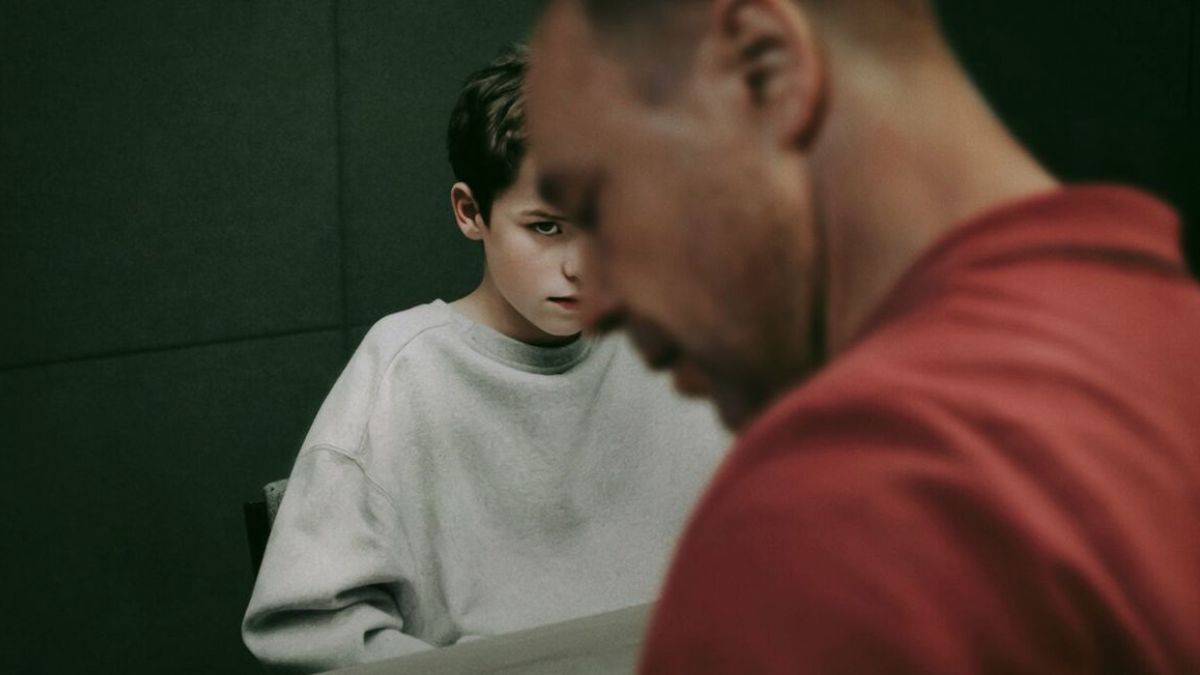
Inside the Filming of Adolescence
Each episode of Adolescence was genuinely filmed as a single, uninterrupted take — no hidden cuts, no digital stitching. The crew rolled the camera from start to finish, capturing the entire narrative sequence in one continuous movement. Achieving this required months of meticulous preparation and rehearsal. Every movement, from the actors’ dialogue and emotional transitions to the camera’s exact positioning, was mapped out like choreography in a stage play.
The production used advanced stabilization rigs such as the DJI Ronin 4D to maintain smooth movement through tight and unpredictable spaces. Because there was no room for error, the entire cast and crew rehearsed extensively before each full take. Lighting cues, background actions, and even ambient sounds had to align perfectly in real time. The result is a seamless visual experience that immerses viewers as though they are living the events alongside the characters.
Why Adolescence Chose the One-Take Approach?
The decision to film in a single take wasn’t a stylistic gimmick, it was a storytelling choice designed to intensify immersion. Director Philip Barantini, known for his work on Boiling Point, wanted to create a sense of claustrophobic realism that mirrors the characters’ psychological tension. The absence of cuts means there’s no reprieve, no time jump, and no distraction from the unfolding chaos.
By using a continuous take, the show traps the audience in the same emotional space as the characters, forcing them to experience every moment in real time. This creative decision heightens empathy and tension simultaneously, when things go wrong, viewers feel the panic instantly, without the distancing effect of traditional editing. The technique gives the series the emotional immediacy of live theatre, blurring the boundary between performance and reality. Every hesitation, every breath, and every stumble feels authentic, precisely because nothing can be retaken mid-scene.
How Many Attempts Each Episode Required?
While Adolescence was released with each episode as one continuous take, that doesn’t mean it was filmed perfectly on the first try. In reality, each episode was attempted multiple times until the cast and crew achieved the flawless version audiences now see on Netflix. Early reports suggest that the team aimed for around ten takes per episode, but some required as many as fifteen or more before everything aligned.
For instance, the first episode was reportedly nailed on the second take, while later episodes, with more complex movement and emotional depth, needed significantly more attempts. Each take lasted nearly an hour, meaning that a single mistake, whether from an actor, camera operator, or background extra, could ruin an otherwise perfect sequence. Despite the grueling process, the filmmakers refused to compromise, selecting only the take that captured the intended intensity and fluidity.
The Power of the One-Take Experience
The payoff is extraordinary. Watching Adolescence feels less like viewing a television series and more like witnessing a live event. The unbroken camera movement creates relentless tension and emotional authenticity, immersing the viewer in the chaos, fear, and vulnerability of its characters. Every frame carries the weight of real-time consequence, and that’s what makes the show so unforgettable.
In an age when most productions rely heavily on digital editing and visual effects, Adolescence stands out as a daring feat of craftsmanship, proof that cinema-level precision can thrive within serialized storytelling. It’s not just a technical experiment; it’s a visceral artistic statement about time, emotion, and the fragility of human experience.