The Duffer Brothers have been name-checking The Lord of the Rings: The Return of the King for years, and not in a “we want to copy the plot” way. They mean something more specific: the feeling you get when a story earns the right to slow down, say goodbye properly, and make the ending feel final, even if it takes its time.
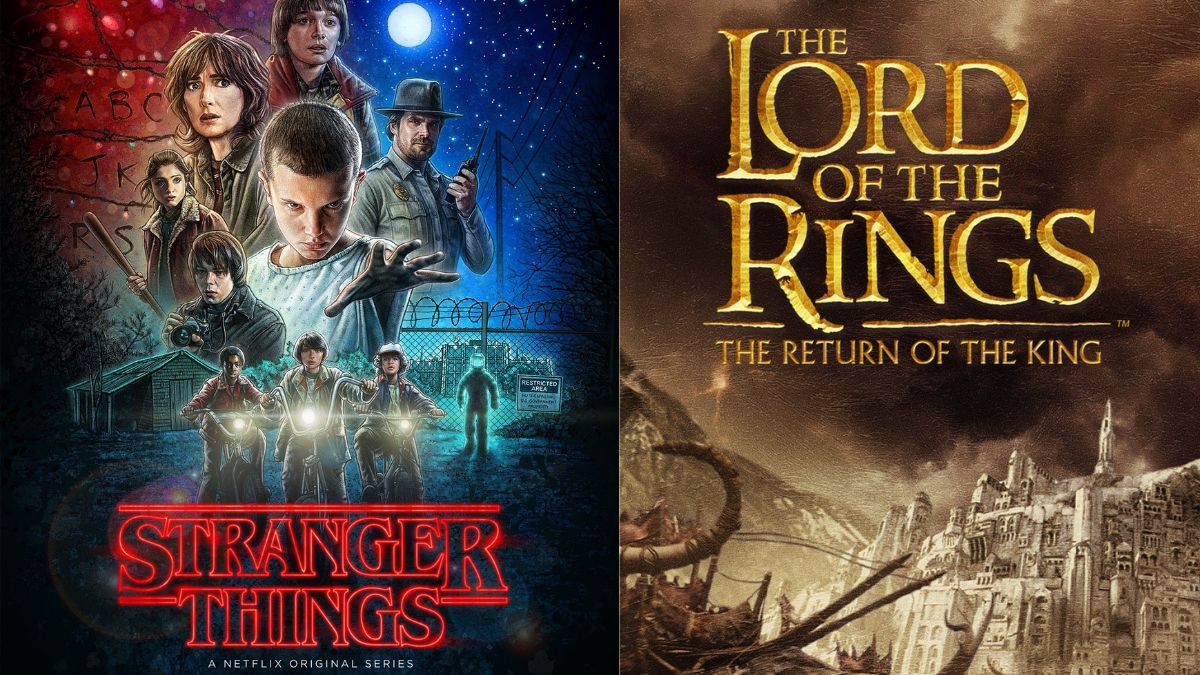
Why the Return of the King comparison keeps coming up
Back in 2022, the Duffers joked that their series finale would be “Return of the King-ish,” the shorthand being: big ending, then multiple “landing” moments as the story closes out relationships and resets the world.
That joke aged into a real creative philosophy. When they later broke down the finale, they were blunt about wanting room for an epilogue that actually feels appropriate, not rushed.
The real point: finales need time to let characters breathe
Return of the King is famous for giving audiences several emotional off-ramps after the final battle. Some viewers love it, some don’t, but the intent is clear: it is not just about defeating the villain, it is about what victory costs and what comes after.
That is the exact lane Stranger Things is in at the end. The Duffers have emphasized that the final image and final scene are about the characters leaving childhood behind, closing a chapter, and passing the torch to the next generation.
The epilogue length was not an accident; it was the design
In their post-finale interviews, the Duffers defended the idea of a long epilogue outright. Matt Duffer even framed Return of the King as a kind of benchmark for why a lengthy goodbye can feel right when you have lived with characters for years.
The key detail here is motivation: they were not padding runtime, they were trying to create a final stretch that feels like closure instead of a hard cut to black.
The Return of the King influence shows up in the end credits too
The LOTR reference was not limited to structure. Matt Duffer has explained that they also looked at Return of the King’s illustrative end credits as inspiration, then shaped the idea into something that matched Stranger Things: credits that resemble a real 1980s Dungeons & Dragons manual, developed with the show’s title-sequence partners at Imaginary Forces.
That choice matters because it does two jobs at once:
-
It ties the finale back to where the show started, with D&D as the language of their friendship.
-
It functions like a curtain call, a visual goodbye that reinforces “this is the end,” not “see you in Season 6.”
Why this comparison fits Stranger Things better than most franchises
A lot of modern finales chase shock. Stranger Things, at least in the Duffers’ own framing, is chasing something closer to a coming-of-age conclusion: the characters move forward, the game continues with a new generation, and the story we followed is finished when that basement door closes.
That is very Return of the King in spirit. Not because it mimics Tolkien, but because it treats the ending as a process, not a single moment.
What the comparison does not mean
It does not mean the finale is trying to be a fantasy epic.
It does not mean the finale has to be universally loved. The Duffers themselves have essentially acknowledged the reality that you cannot satisfy everyone, which is exactly why “multiple endings” became their own running reference point years ago.
It simply means they wanted the last chapter to feel complete: battle resolved, relationships addressed, and a deliberate goodbye that lingers long enough to land.