Four years after the unexpected death of beloved actor Michael K. Williams, his sister Michelle Chambers has opened up about the pain of losing him and the way he lived his final years, insisting emphatically that “he didn’t want to die.” Chambers shared her reflections as part of the new A&E documentary Fame and Fentanyl, which looks at the rise of the potent opioid and its toll on some of the most recognizable names in entertainment.
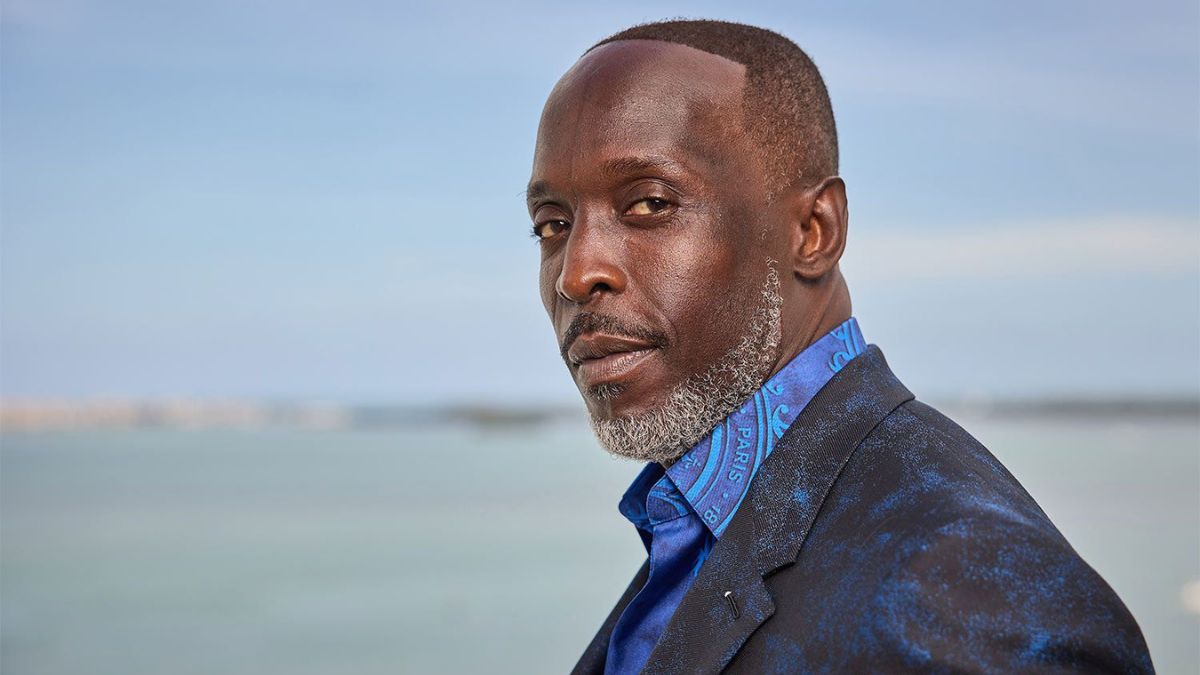
Williams, best known for transformative roles like Omar Little on The Wire and standout performances in Boardwalk Empire and Lovecraft Country, died in September 2021 at age 54. The New York City medical examiner ruled his death accidental, the result of a deadly combination of fentanyl-laced drugs. Chambers, a former Compton City Councilmember, has long spoken openly about her brother’s battles with addiction and the trauma he faced in life —themes the special revisits through interviews with family, friends, and experts.
In the documentary, Fame and Fentanyl, Chambers described Williams as “such a gentle, kind soul” whose brilliance and warmth far outweighed the hardships he endured. She made clear that he did not willingly seek death nor want to be poisoned, a phrase she repeated in interviews to underline that his passing was a tragic accident, not a choice.
The special places Williams’ story in the broader context of the national fentanyl crisis, which has increasingly been linked to accidental overdoses when the synthetic opioid is mixed into other substances like cocaine and heroin. Other high-profile figures, such as Prince and Tom Petty, have also been found to have lethal fentanyl concentrations in their systems after death.
Chambers also reflected on her close relationship with her brother. Despite a six-year age gap, they shared birthdays just a day apart and were deeply connected throughout their lives. In earlier interviews, she described him as someone who grappled with inner turmoil but also encouraged resilience, often telling others to “get back up again” when faced with difficulties.
The renewed look at Williams’ life and death comes amidst ongoing legal repercussions related to his passing: multiple individuals have been charged in connection with the distribution of the drugs that led to his overdose, underscoring how the fentanyl crisis has permeated communities nationwide.
Nearly four years on, Williams’ legacy continues through his impactful body of work and the candid discussions his family has helped spark about addiction, trauma, and the human cost of the opioid epidemic.